In the contemporary corporate landscape, the pursuit of operational excellence often leads organizations to evaluate their internal structures and determine which functions are core to their mission and which can be managed more efficiently by external specialists. The strategic decision to partner with an Outsourcing Services company has transitioned from a mere trend to a fundamental business strategy for those looking to maximize their bottom line. By delegating complex administrative tasks to outside experts, businesses can significantly reduce their overhead costs, including the expenses associated with full-time salaries, benefits, and office space. This shift allows leadership to focus their internal energy on high-value activities that drive revenue and innovation, ensuring that every dollar spent is an investment in growth rather than a drain on resources.
The financial advantages of this model extend beyond simple payroll savings, as it mitigates the high costs of recruitment, training, and employee retention programs. Managing an in-house department requires a constant influx of capital to maintain expertise and infrastructure, whereas an external partnership offers a predictable, scalable cost structure that adapts to the company’s needs. Furthermore, professional service providers bring a level of specialized knowledge that is difficult to cultivate internally, reducing the risk of costly errors in compliance or administrative management. By leveraging the economies of scale offered by a third-party provider, even small and medium-sized enterprises can access high-level strategic support that would otherwise be financially out of reach.
Efficiency is not just about saving money; it is about the intelligent allocation of time and talent across the entire organization. When a business eliminates the burden of routine administrative maintenance, it empowers its core team to engage in creative problem-solving and long-term strategic planning. This cultural shift fosters an environment where innovation thrives, as employees are no longer bogged down by the minutiae of back-office operations. Ultimately, the integration of professional external support creates a leaner, more agile business model that is better equipped to navigate the fluctuations of the global market and achieve sustainable long-term success.
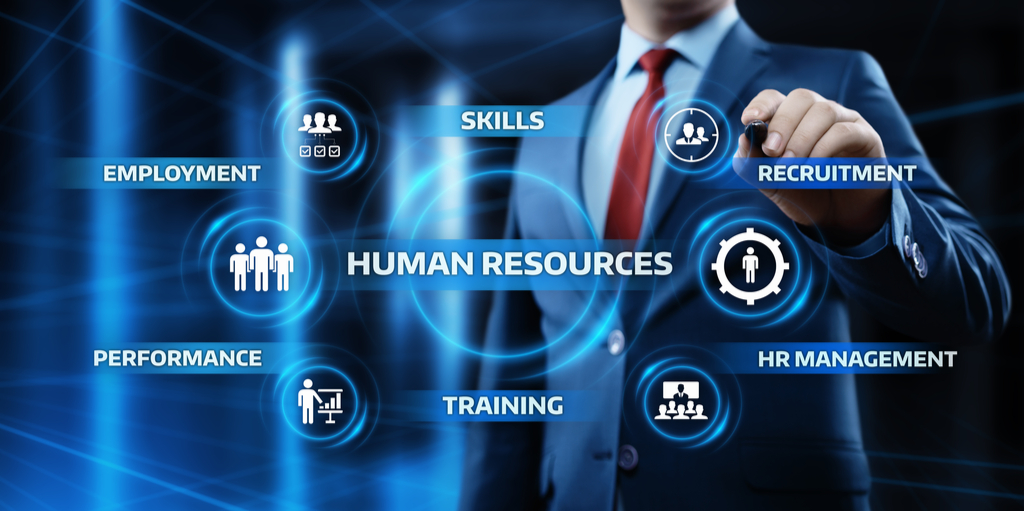
Optimizing the human capital of an organization requires a delicate balance of empathy, legal precision, and strategic foresight, which is exactly what a specialized hr services company provides to its clients. These organizations act as an extension of the internal team, bringing sophisticated tools and methodologies to manage everything from talent acquisition to performance evaluation. By outsourcing these critical functions, a business can ensure that its workforce management is handled with a level of objectivity and professionalism that is often hard to maintain in-house. This leads to higher employee satisfaction and lower turnover rates, as workers benefit from streamlined processes, clear communication, and professional development opportunities facilitated by experts who understand the nuances of the modern workplace.
Beyond the immediate tactical benefits, the strategic impact of professional human resources management cannot be overstated in terms of risk mitigation and legal protection. Employment laws and regulations are constantly evolving, and a failure to remain compliant can result in devastating financial penalties and reputational damage. External specialists stay at the forefront of these changes, ensuring that every policy and procedure is in perfect alignment with current legal standards. This proactive approach to risk management shields the business from potential litigation and administrative disputes, providing peace of mind to stakeholders and allowing the executive team to lead with confidence.
Furthermore, the data-driven insights provided by professional HR consultants enable businesses to make more informed decisions about their workforce planning and organizational design. By analyzing trends in employee performance, compensation benchmarks, and industry standards, these providers offer a roadmap for building a more resilient and productive team. This level of analytical depth allows a company to identify talent gaps before they become critical issues and to implement retention strategies that actually work. When human resources are treated as a strategic asset rather than an administrative hurdle, the entire organization experiences a boost in morale and operational momentum.
The modernization of business operations is deeply intertwined with the adoption of advanced technological frameworks that support seamless communication and data integrity. Every forward-thinking it services company understands that the backbone of a successful outsourcing strategy is a robust digital infrastructure that facilitates the secure exchange of information. By integrating cloud-based solutions and automated workflows, businesses can bridge the gap between their internal teams and external partners, creating a unified ecosystem that functions with surgical precision. This technological synergy ensures that data remains accessible, accurate, and protected against the growing threats of the digital age, which is paramount when handling sensitive employee and financial records.
As companies continue to scale, the complexity of their technical requirements grows exponentially, demanding a level of support that goes beyond basic maintenance. A dedicated technical partner provides the scalability necessary to support rapid expansion, offering on-demand resources that can be adjusted as the business evolves. This flexibility prevents the common pitfall of over-investing in hardware or software that may become obsolete, allowing the organization to stay at the cutting edge of industry trends without the associated financial risk. The marriage of professional administrative services and high-level technical support creates a powerhouse of efficiency that propels the business toward its strategic objectives.
In conclusion, the path to superior business performance lies in the ability to recognize where internal resources are best spent and where external expertise can provide a competitive advantage. The holistic integration of specialized services allows for a dramatic reduction in operational costs while simultaneously enhancing the quality of the corporate culture and the stability of the technical infrastructure. By embracing a collaborative model that utilizes the strengths of professional partners, a business transforms itself into a more focused, profitable, and resilient entity. This strategic evolution is the key to unlocking new levels of success in an increasingly complex and demanding global economy.