Dubai is no longer just a city—it’s a visual experience, a cultural mosaic, and an architectural marvel. Design isn’t just about appearances here; it’s part of the city’s DNA. From breathtaking skylines to intricate interiors and sprawling malls that feel like modern palaces, every detail is meticulously curated. But behind all that glamour lies the true hero: the design concept.
Design concepts Dubai form the foundation of every creative project. They are not just ideas—they are the strategic thinking and vision that bring harmony, function, and emotion to a space. In Dubai, where the demand for visual distinction is higher than ever, well-developed design concepts help set spaces apart in a competitive real estate and business market.
So, why do they matter so much in Dubai? Simply put, this is a city where design is a lifestyle. From residents who crave personalized interiors to business owners looking to stand out, having a strong, clear design concept ensures every project has a narrative that resonates. It’s how form meets function with flair.
With the city embracing a global design identity—mixing the charm of Arabic heritage with cutting-edge futurism—Dubai continues to be a living canvas. Let’s explore how design concepts are shaping this city, from residential villas in the suburbs to towering commercial skyscrapers downtown.
Dubai as a Design-Driven Metropolis
Dubai is fueled by ambition. From the Burj Khalifa piercing the sky to the Museum of the Future’s sci-fi curves, design is central to its identity. This city isn’t afraid to push boundaries—it embraces design as a tool for storytelling, brand-building, and economic power.
What sets Dubai apart is its obsession with perfection and innovation. Real estate developers, homeowners, entrepreneurs, and government entities all see design not as an afterthought, but as a core investment. It’s this approach that has led to a boom in demand for designers who can translate big ideas into stunning realities.
Moreover, the city attracts global design talent and plays host to world-class events like Dubai Design Week and INDEX Dubai. These platforms not only celebrate design but also serve as incubators for new ideas. The city’s diversity also contributes to a unique design language—one that’s inclusive, bold, and constantly evolving.
In essence, Dubai doesn’t follow design trends. It creates them.
What Are Design Concepts?
Design concepts are the blueprint for creativity. Think of them as the “big idea” behind a space—they dictate the visual language, emotional tone, and functional purpose of a design. In a city like Dubai, where every square meter can represent luxury or innovation, having a solid concept is crucial.
Core Principles Behind Great Design
At the heart of every successful design concept lie a few universal principles:
- Balance: Achieving harmony between elements, like color, texture, and space.
- Functionality: Design must serve a purpose, not just look good.
- Rhythm and Repetition: Patterns and motifs guide the eye and unify the design.
- Contrast: Bold oppositions (light vs. dark, old vs. new) add interest and depth.
- Emphasis: Focal points (like a grand chandelier or accent wall) create hierarchy.
When these elements are strategically used, they bring life and character to a space.
How Concepts Guide Function and Form
Without a concept, design can feel directionless. But with a clear theme, everything—from the floor plan to the last throw pillow—feels intentional. A well-crafted design concept gives structure to creativity. It becomes the framework that guides material choices, lighting strategies, spatial organization, and even technology integration.
For example, if your concept is “Urban Oasis,” every design choice should align with that vision—natural materials, green walls, calming color palettes, and open layouts.
In Dubai, where competition is fierce and expectations are high, starting with a strong concept ensures consistency, appeal, and long-term value.
Popular Design Philosophies in Dubai
Dubai’s design philosophy is a mix of bold innovation and deep cultural reverence. Whether you’re decorating a hotel lobby or a private villa, understanding these design ideologies helps anchor your choices.
Minimalism Meets Luxury
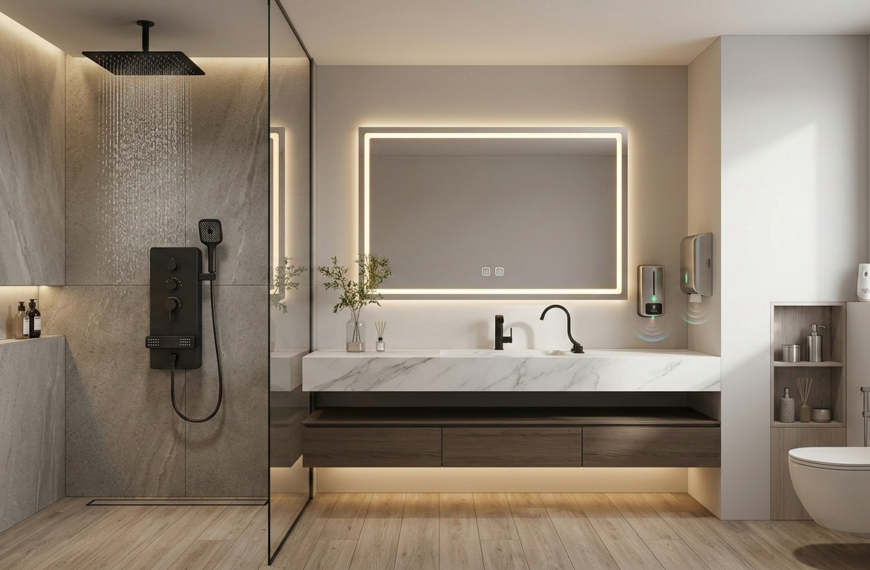
This is one of the most popular styles in Dubai today. Think sleek lines, open spaces, and monochrome color schemes—but elevated with rich materials like marble, brass, and suede. The goal is to create calm, sophisticated environments that still feel indulgent.
This approach works particularly well in urban apartments and high-rise penthouses, where space is limited but impact is essential.
Arabian-Inspired Modernism
This philosophy blends traditional Middle Eastern elements—like mashrabiya screens, arches, and geometric patterns—with contemporary design. It celebrates heritage without feeling dated.
Perfect for villas and cultural spaces, this style uses warm tones, intricate textures, and rich textiles while maintaining a modern layout and lighting plan.
Futuristic Urbanism
With Expo 2020 and the rapid growth of Dubai Silicon Oasis and Dubai Design District, the city is leaning into future-ready design. Here, concepts focus on tech integration, sustainability, and minimal environmental impact.
Expect smart lighting, modular furniture, robotic appliances, and minimalist aesthetics tailored for dynamic living.
Interior Design Concepts Trending in Dubai
Interior design in Dubai isn’t just about looking good—it’s about living well. The trends shaping homes and businesses here are a reflection of the city’s global influences and ambitious spirit.
Smart Home Aesthetics
Tech is woven into the very fabric of Dubai interiors. From touch-free faucets to voice-controlled lighting and temperature, homes are becoming smarter. But it’s not just about utility—tech is now designed to look good too.
Designers integrate these systems seamlessly into walls, furniture, and ceilings to maintain clean lines and stylish looks.
Earthy Tones and Natural Elements
With the rise of wellness culture, many Dubai homeowners are moving away from cold luxury and embracing nature. We’re seeing more use of:
- Stone, wood, and clay
- Organic fabrics like linen and cotton
- Indoor plants and vertical gardens
This design approach creates warm, grounded spaces that promote relaxation and mindfulness—especially important in the fast-paced city life.
Art Deco Revival
Dubai has always loved glamour, and Art Deco’s rich colors, bold shapes, and metallic finishes are making a big comeback. Perfect for hotels, lounges, and luxury boutiques, this style adds drama and elegance without overwhelming the space.
Designers use jewel tones, velvet upholstery, and statement lighting to evoke a sense of timeless class.
Architectural Concepts Dominating the Skyline
Dubai’s skyline is one of the most recognizable in the world, and that’s no accident. It’s the product of daring architectural concepts that push boundaries in design, engineering, and sustainability. From towering glass structures to heritage-inspired buildings, Dubai’s architectural identity is constantly evolving.
High-Rise Residential Creativity
Dubai’s high-rise towers aren’t just tall—they’re smart, sustainable, and stylish. Architectural concepts in this category focus on:
- Vertical communities: Skyscrapers designed like mini-cities, complete with gyms, pools, co-working spaces, and retail outlets.
- Maximizing views: Floor-to-ceiling glass, cantilevered balconies, and rotating structures that offer panoramic views of the sea, desert, or skyline.
- Sky gardens and open terraces: To break the monotony of concrete and steel and introduce green, breathable spaces in the sky.
Projects like Marina Gate and The Opus by Zaha Hadid showcase how architecture can be functional yet futuristic, combining comfort with visual drama.
Blending Heritage with Innovation
The essence of Emirati architecture—wind towers, courtyards, arches—is being reimagined in modern contexts. For example:
- Al Seef District: Captures old Dubai charm using modern building materials.
- The Sustainable City: Integrates traditional layout principles with cutting-edge green tech.
These projects are a testament to how Dubai respects its roots while looking to the future. The aim is not replication, but reinterpretation.
Iconic Commercial Concepts
From the sail-like silhouette of Burj Al Arab to the flame-like curves of the Dubai Torch Tower, commercial architecture in Dubai is all about statement-making.
Concepts here focus on:
- Brand identity: Buildings that reflect a company’s ethos and innovation.
- Energy efficiency: Smart façades, solar integration, and LEED-certified designs.
- User experience: Designing with flow, comfort, and multifunctionality in mind.
Dubai’s skyline is more than a pretty picture—it’s a symbol of the city’s unrelenting pursuit of excellence in design and execution.
How Designers Develop a Concept from Scratch
Creating a compelling design concept isn’t about randomly mixing trends—it’s a structured, thoughtful process that requires creativity, research, and clarity of vision.
Client Brief to Mood Board
The process typically begins with the client brief. This includes:
- Purpose of the space
- Lifestyle or brand identity
- Aesthetic preferences
- Budget and timeline
Next, designers translate the brief into a mood board—a collage of colors, textures, materials, and inspirations that reflect the concept visually. This helps align client expectations with the designer’s vision and sets the tone for the entire project.
Research, Inspiration, and Storytelling
Once the direction is clear, the designer dives deep into research. This includes:
- Cultural elements
- Architectural styles
- Environmental conditions
- Functional needs
From there, the concept evolves into a narrative. For example, a retail store may adopt a concept like “Urban Jungle” to reflect a raw, nature-inspired environment in the heart of the city. This story becomes the guiding force for every design choice.
The result? A design that’s not only beautiful but also meaningful, resonating with users on a deeper level.
Role of Technology in Dubai’s Design Scene
Dubai is one of the most tech-savvy cities in the world—and its design industry reflects that. Today, technology is more than a tool; it’s a design partner.
3D Visualization and AR
Gone are the days of flat sketches and static plans. Most Dubai firms now use 3D modeling and rendering tools that allow clients to:
- Take virtual walkthroughs of spaces
- See real-time changes in layout or materials
- Compare options with side-by-side visuals
Some even use Augmented Reality (AR) apps where clients can point their phones at a room and see how the design will look once implemented.
This speeds up decision-making, reduces miscommunication, and improves client satisfaction.
Virtual Design Consultations
The pandemic accelerated the adoption of remote design services. Today, many firms offer:
- Video consultations
- Online mood board sharing
- Digital approval systems
This approach is especially helpful for international clients investing in Dubai real estate, allowing them to collaborate from anywhere in the world.
From artificial intelligence that optimizes layouts to smart scheduling tools that streamline project timelines, tech is making the design process faster, smoother, and more collaborative than ever before.
Sustainable Design Concepts
As Dubai moves toward a greener future, sustainable design is no longer optional—it’s a priority. Today’s design concepts often include eco-conscious solutions that reduce carbon footprints without sacrificing style.
LEED-Certified Ideas
Many new developments in Dubai aim for LEED (Leadership in Energy and Environmental Design) certification. Design concepts contributing to this include:
- Energy-efficient HVAC systems
- Low-emission building materials
- Rainwater harvesting systems
- Rooftop solar panels
Projects like the Dubai Sustainable City are built entirely around these principles, proving that luxury and sustainability can go hand-in-hand.
Energy and Water-Efficient Living Spaces
Residential and commercial spaces are incorporating:
- Smart thermostats and lighting
- Low-flow plumbing fixtures
- Recycled or upcycled materials
- Natural ventilation and lighting solutions
The result is a win-win—healthier environments for residents and reduced operational costs in the long run.
More than just a trend, sustainability is becoming embedded in the design DNA of Dubai. Designers are now expected to offer eco-conscious alternatives as part of their core services.
Luxury vs. Practical Design Concepts
Dubai is known for opulence, but not every space can or should look like a palace. The most effective design concepts strike a balance between luxury and practicality.
Finding the Balance in Dubai
Whether it’s a studio apartment or a beachfront mansion, every space needs to function well. The key is to blend:
- Aesthetic appeal: Rich textures, statement lighting, and curated art
- Utility: Smart storage, adaptable furniture, efficient layouts
Designers often layer luxury over practical frameworks—using premium finishes on space-saving designs, for example.
When Elegance Meets Everyday Life
Consider a family kitchen. In Dubai, it might feature:
- A quartz countertop that looks like marble but is more durable
- High-end appliances with child-lock safety
- Hidden storage solutions that keep clutter at bay
Or an office space that balances:
- A sleek boardroom with custom acoustic panels
- Flexible desks for hybrid work models
- Wellness corners with indoor plants and soft lighting
Luxury and livability are no longer at odds—they’re partners in design. The best concepts make life more beautiful and more manageable, all at once.
Cultural Influence on Design in Dubai
Dubai is a cultural melting pot where tradition meets innovation. This unique fusion significantly shapes its design concepts, creating a landscape where modernity and heritage coexist beautifully.
The Emirati Way of Living
Traditional Emirati values—like hospitality, family cohesion, and privacy—play a crucial role in residential design. Homes often include:
- Majlis rooms: Large sitting areas used to entertain guests, reflecting deep-rooted hospitality.
- Gender-segregated spaces: Especially in older or more traditional households.
- Courtyards and terraces: For family gatherings and airflow.
Materials such as carved wood, woven textiles, and desert-toned palettes evoke a sense of identity. Arabic calligraphy, geometric motifs, and mashrabiya screens often appear as both decorative and functional elements, allowing airflow while maintaining privacy.
Designers integrate these elements into modern settings, using technology and minimalism to make them suitable for contemporary living.
Fusion of Eastern and Western Styles
Due to its cosmopolitan nature, Dubai’s design language borrows freely from global cultures. It’s not uncommon to find:
- Japanese Zen interiors blended with Islamic art
- Scandinavian minimalism warmed up with Persian rugs
- Moroccan tiles complementing ultra-modern kitchens
This cultural layering allows for rich, multi-dimensional spaces that reflect the residents’ diverse backgrounds. The best concepts use culture not just as decoration, but as a design narrative—telling a story that’s personal, relevant, and uniquely Dubai.
Design Concepts in Hospitality and Retail
In Dubai, hospitality and retail spaces are more than functional—they’re immersive experiences. With stiff competition in both industries, design plays a strategic role in attracting and retaining customers.
Dubai’s Role in Global Design Innovation
Dubai isn’t just following global design trends—it’s creating them. Fueled by ambition, diversity, and a vision for the future, the city has established itself as a design capital that balances luxury with functionality, tradition with technology, and sustainability with style.
Whether you’re a homeowner, business owner, or designer, understanding the evolving design concepts in Dubai gives you a competitive edge. From smart interiors and culturally rich themes to sustainable innovation and experiential retail, there’s no limit to what’s possible when creativity meets intention.
In Dubai, design is not just about making things look good—it’s about making them feel right, work smart, and last long. That’s the essence of true innovation.
FAQs
- What’s the most popular design style in Dubai right now?
Minimalist luxury is currently leading, blending clean lines with upscale materials like marble, brass, and wood. - Can I combine traditional and modern design concepts?
Absolutely. Many designers specialize in fusion styles that integrate cultural motifs with modern aesthetics. - How do I know which concept suits my space?
Start with your lifestyle needs and aesthetic preferences. A consultation with a professional designer can help define a concept tailored to you. - Are Dubai designers open to experimental ideas?
Yes! Dubai’s design culture encourages innovation, and many firms are excited to explore bold, unique concepts. - What tech tools are commonly used in concept creation?
Designers use tools like AutoCAD, SketchUp, 3ds Max, and AR/VR platforms to visualize and refine design concepts.